
Aquamarine

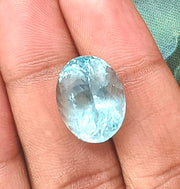
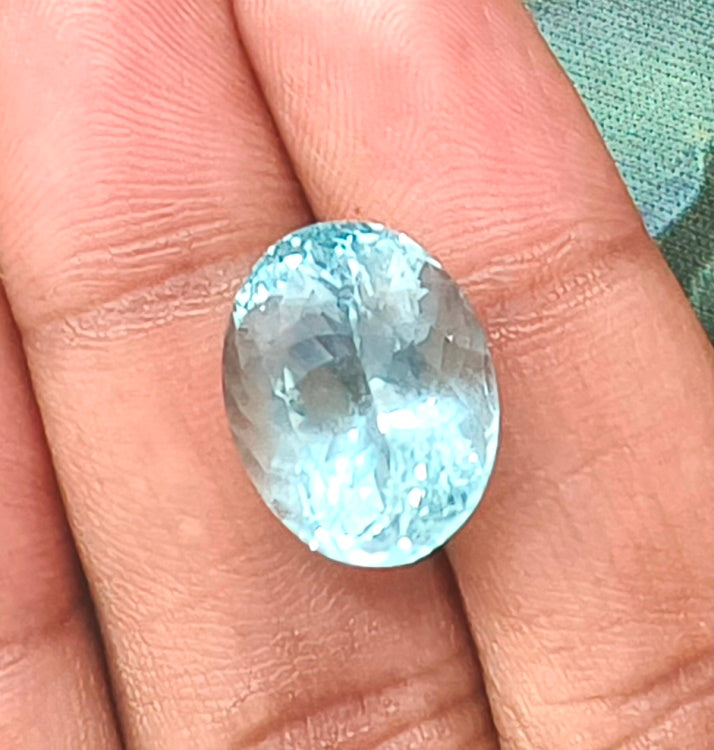
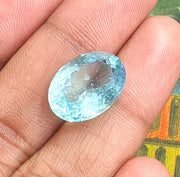
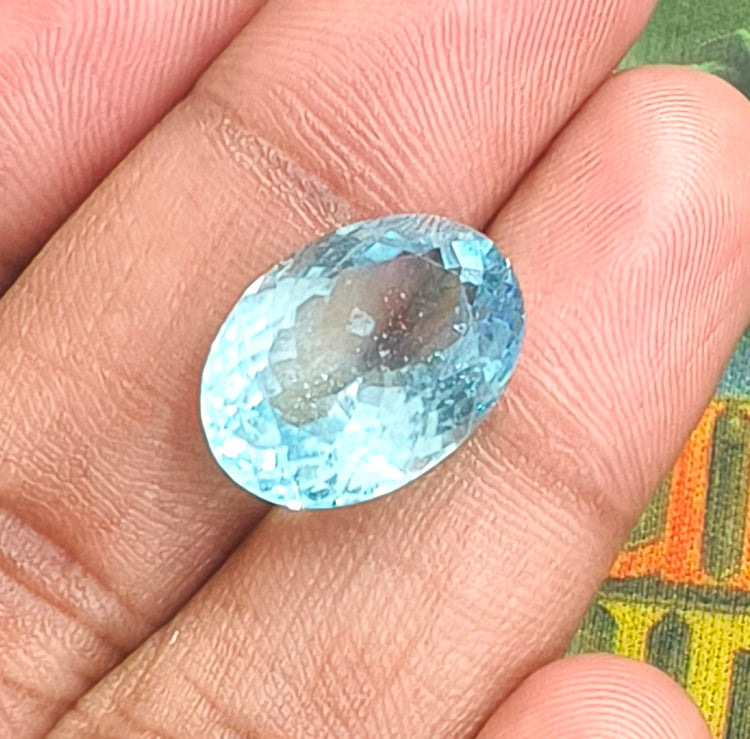
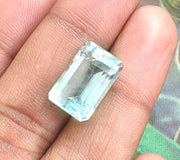
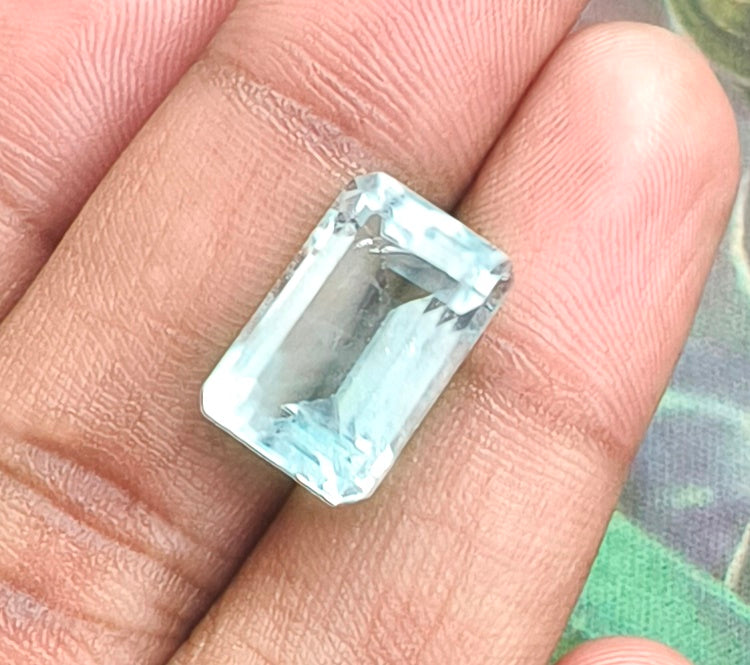

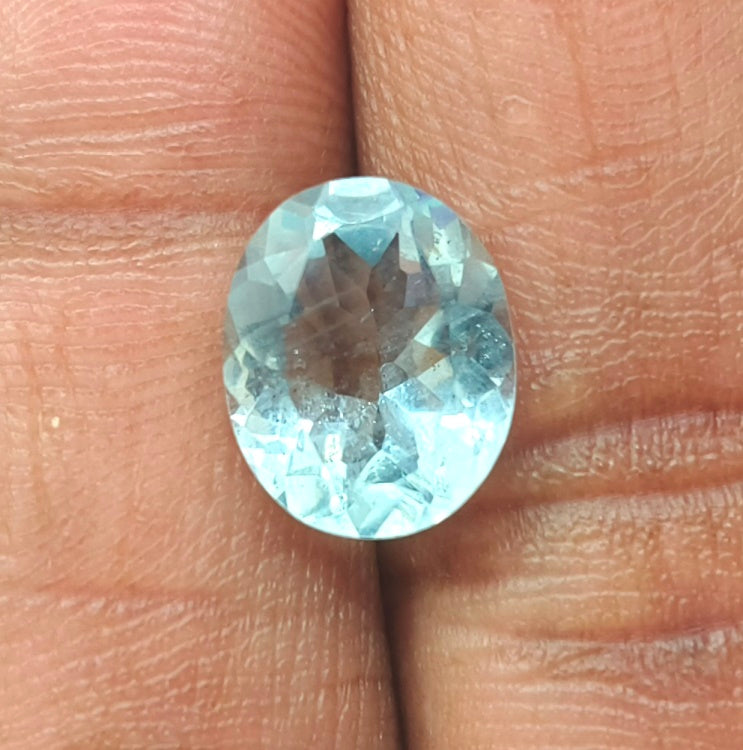
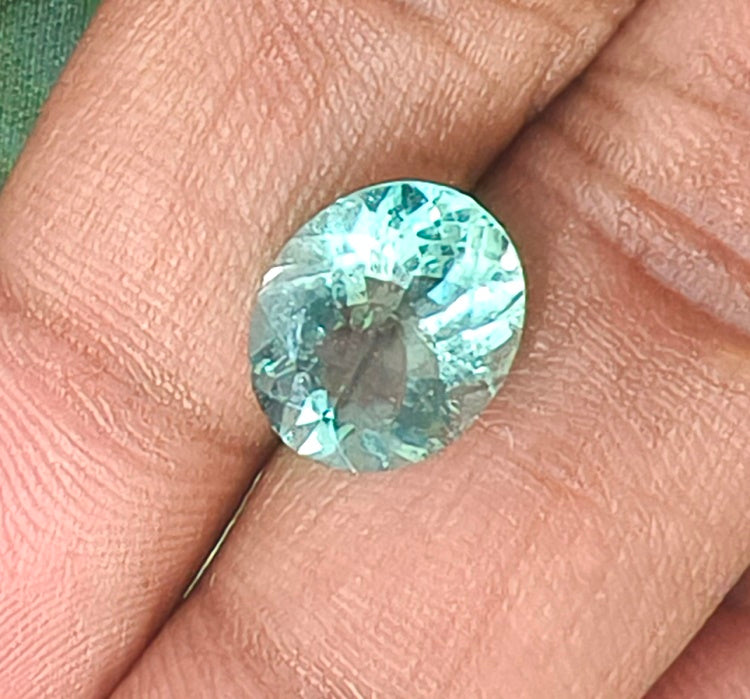

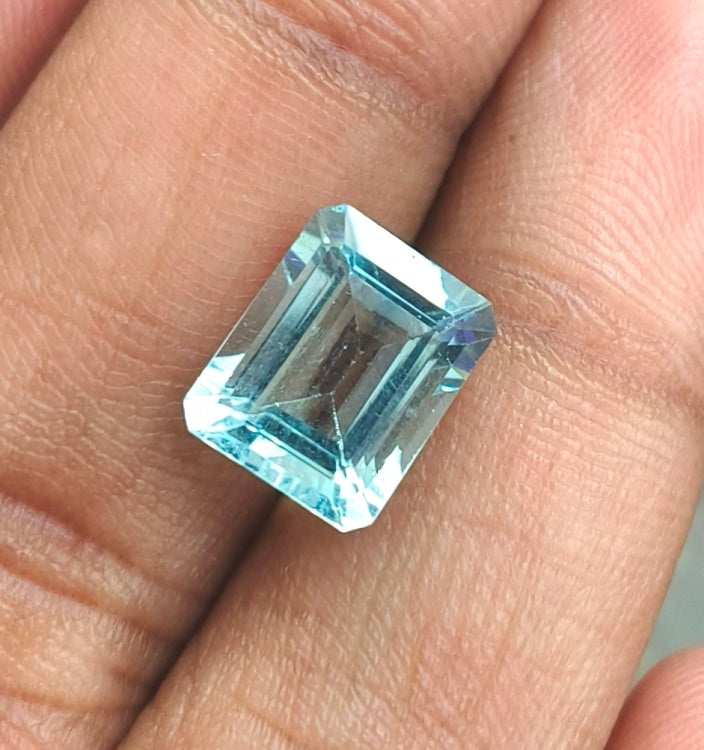
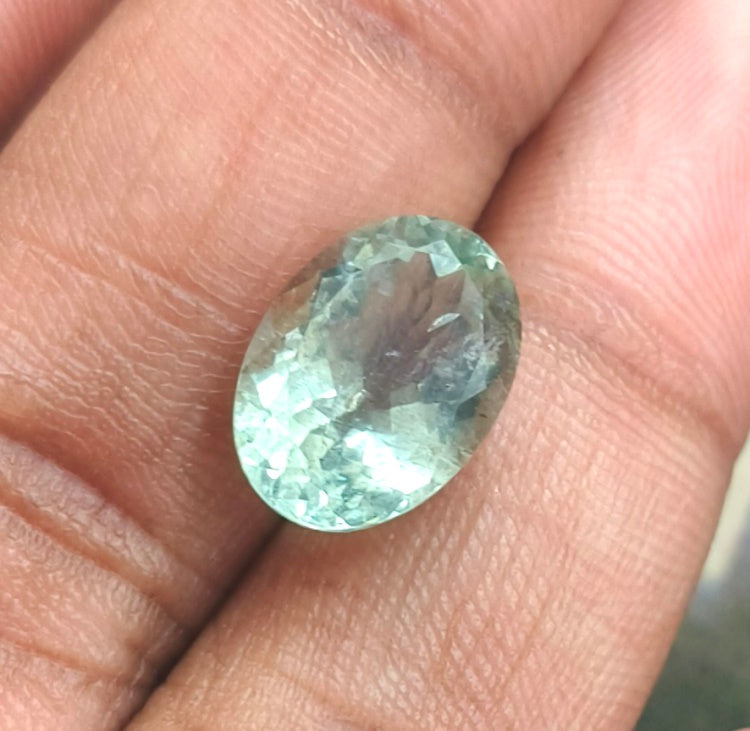
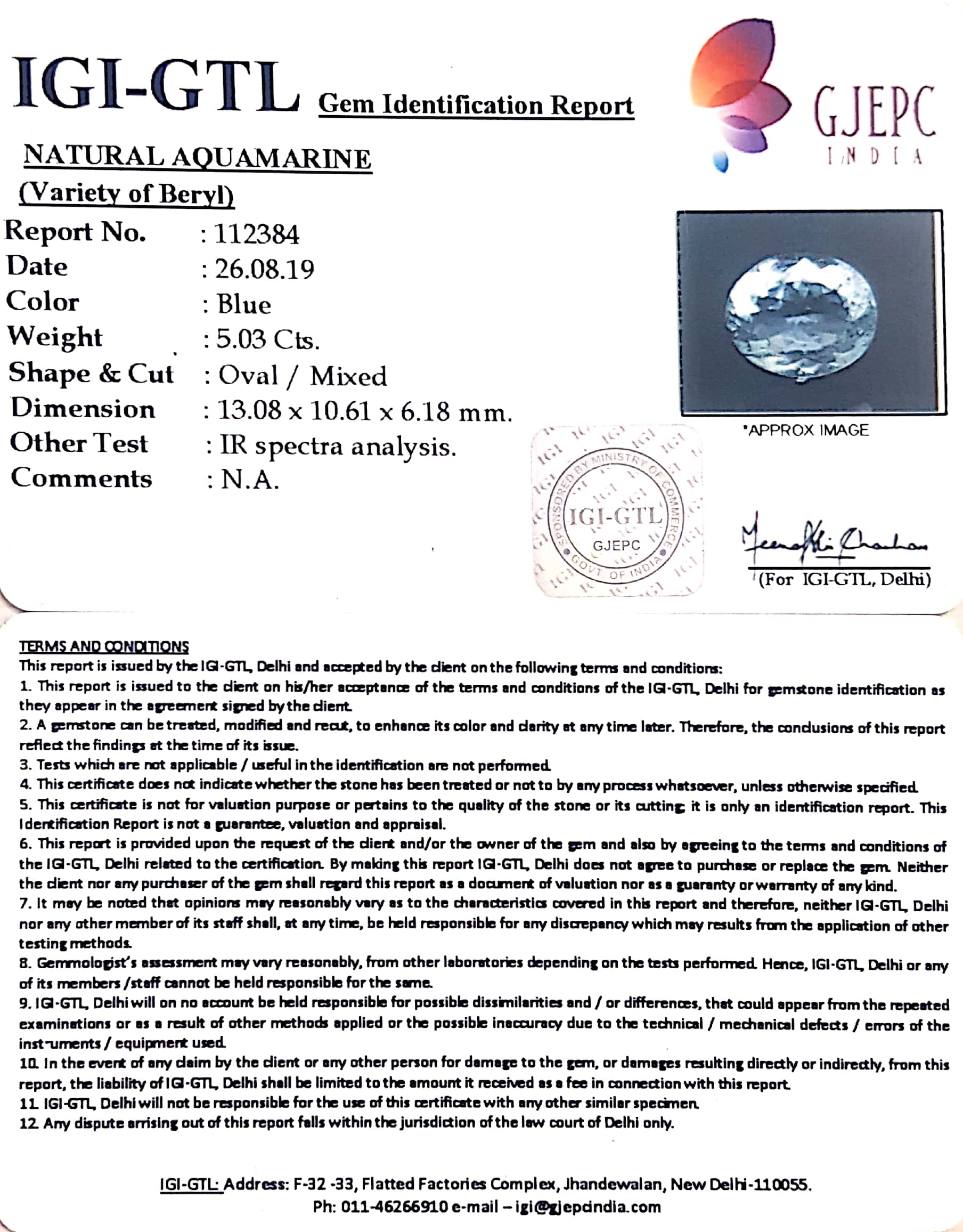
Aquamarine Stone – Natural Aquamarine with Govt Lab Certificate | Khanna Gems
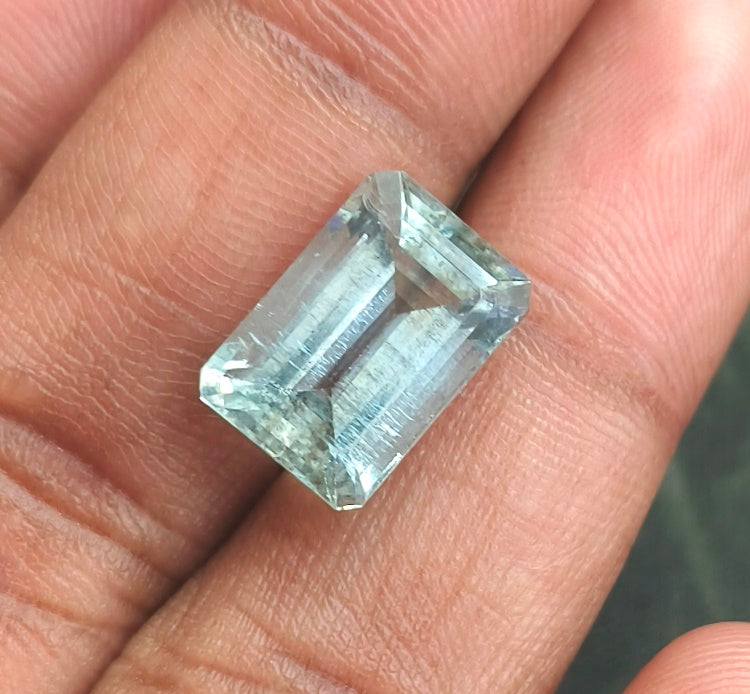
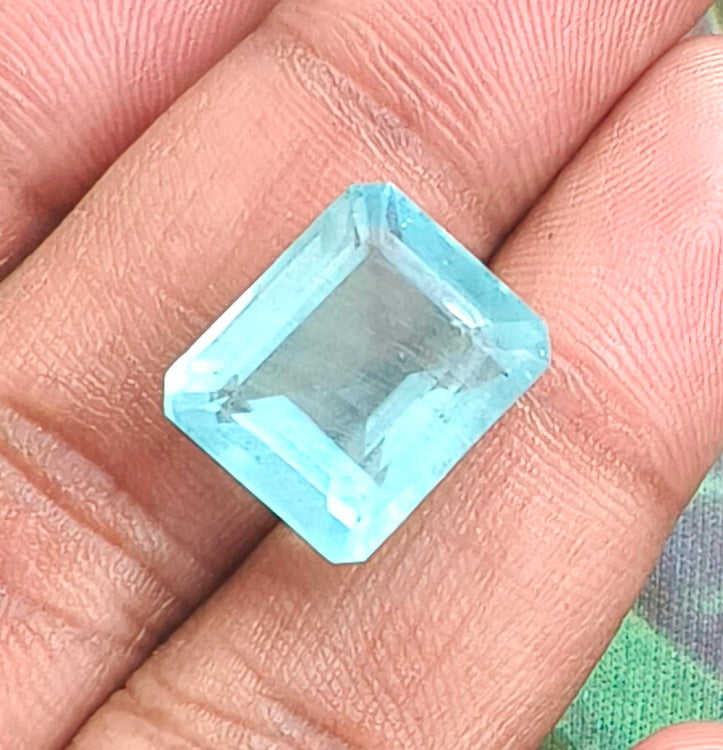
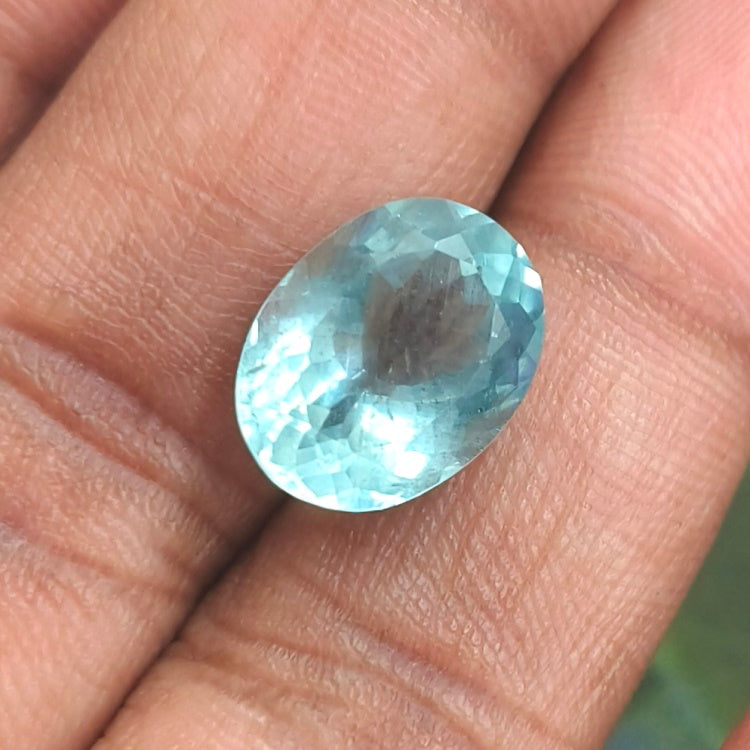
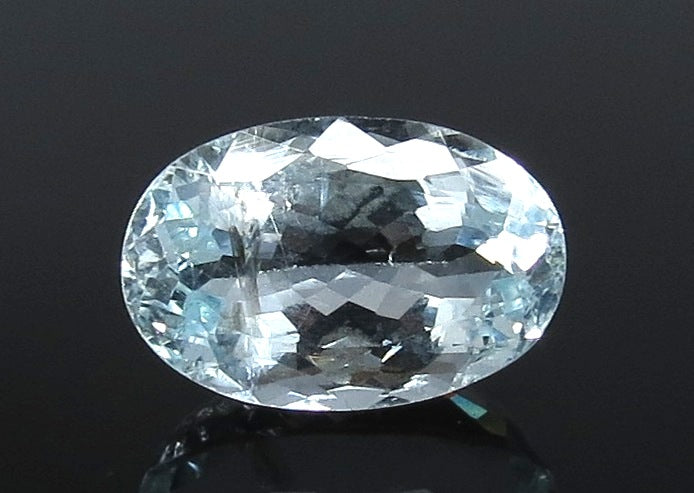
At Khanna Gems, our Aquamarine Stone collection brings you high-quality natural gemstones verified with Govt. Lab Certified Gemstones so you can be confident in the authenticity and quality of every piece. Aquamarine is a naturally occurring gemstone belonging to the beryl mineral family, recognized for its distinctive blue to blue-green appearance that resembles the color of seawater. This gemstone has been admired for centuries across cultures for its unique colour, physical strength, and versatile use in jewellery and gemstone collections.
What Makes Aquamarine Special
Aquamarine is formed deep within the Earth in granite pegmatites and hydrothermal environments. Over millions of years, trace amounts of iron within the crystal structure give aquamarine its colour range from a light, refreshing blue to a deeper sea-like blue-green tone. The hexagonal crystal system of aquamarine contributes to its clarity and natural brilliance when cut and polished.
Physically, aquamarine ranks well on the Mohs hardness scale (7.5–8), making it a durable stone suitable for daily-wear jewellery such as rings, necklaces, bracelets, and earrings. Its combination of transparency, colour depth, and durability makes it a popular choice among gemstone lovers and jewellers alike.
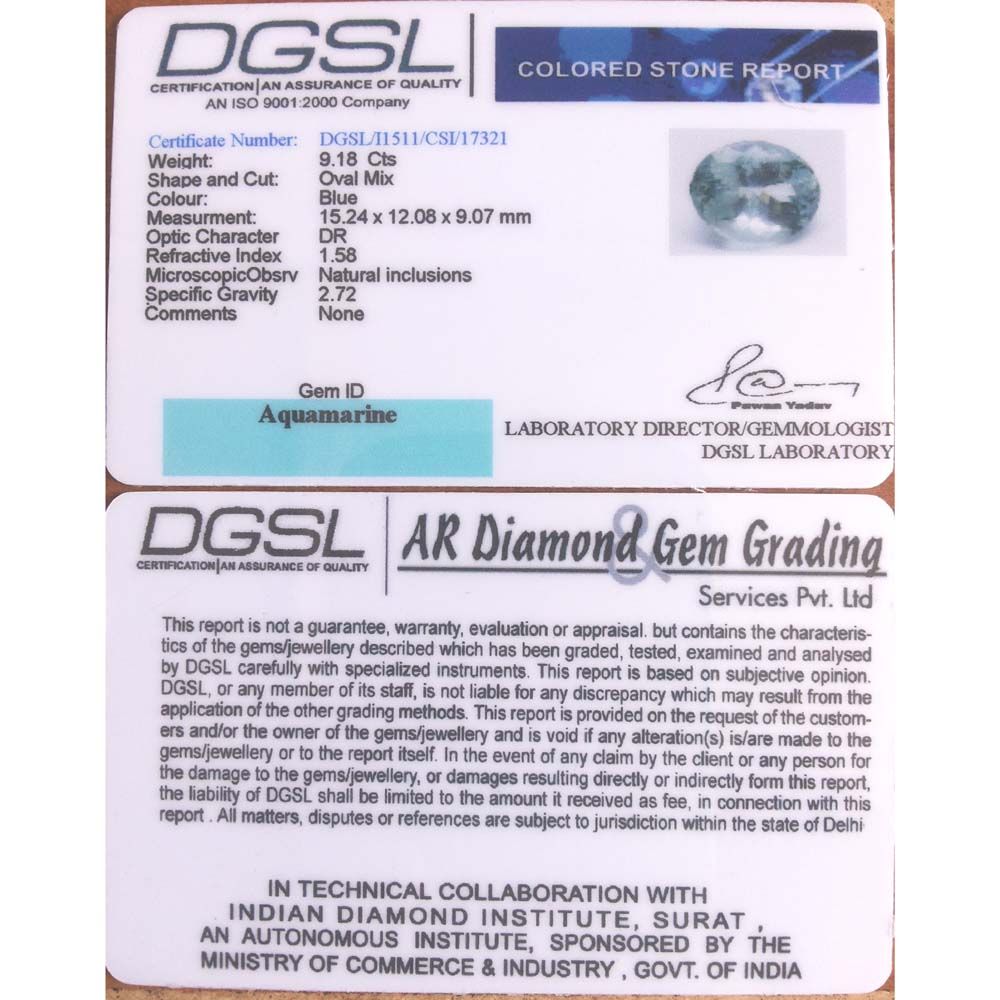
Natural Aquamarine with Govt Lab Certificate
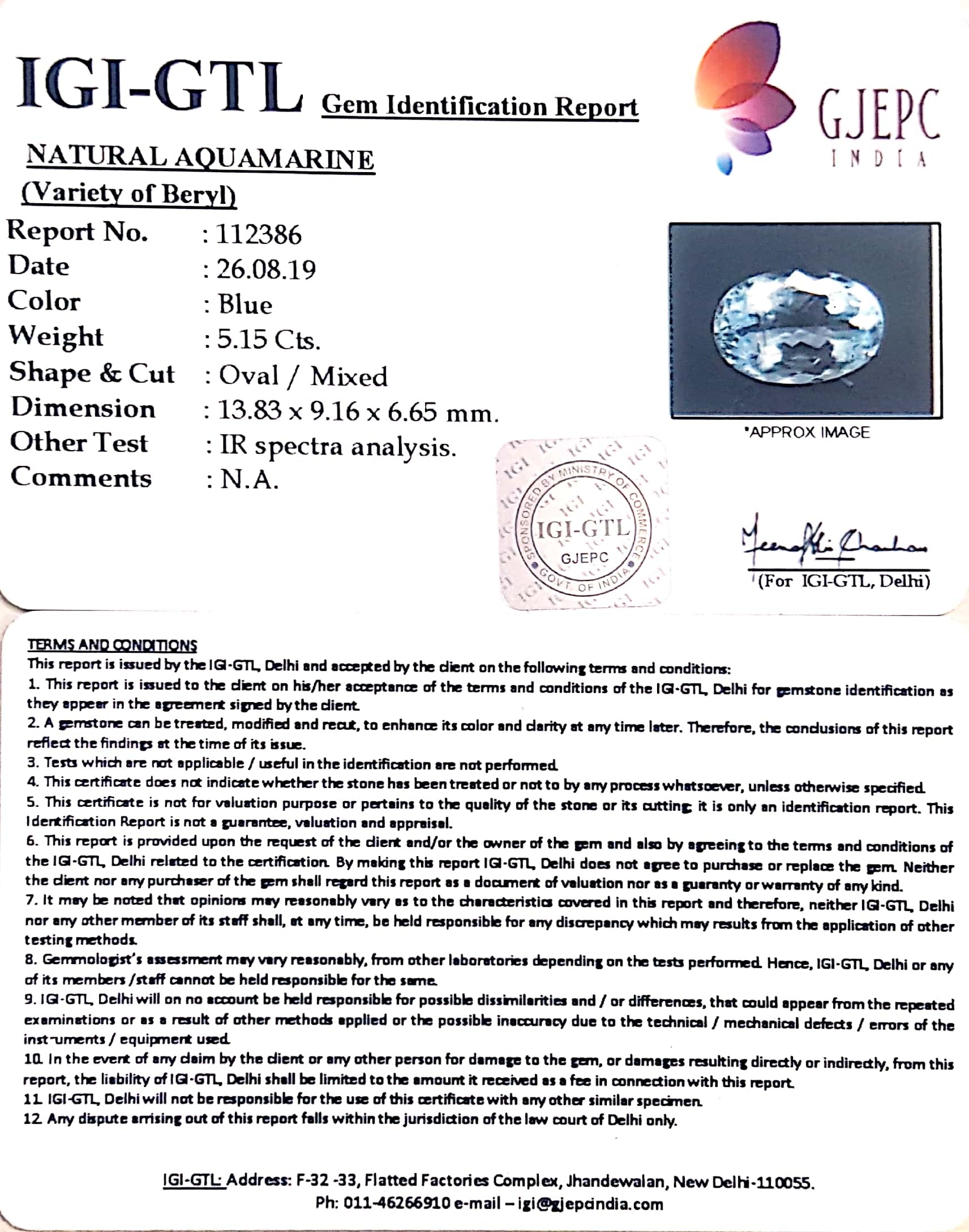
When you choose Natural Aquamarine with Govt Lab Certificate at Khanna Gems, you get:
-
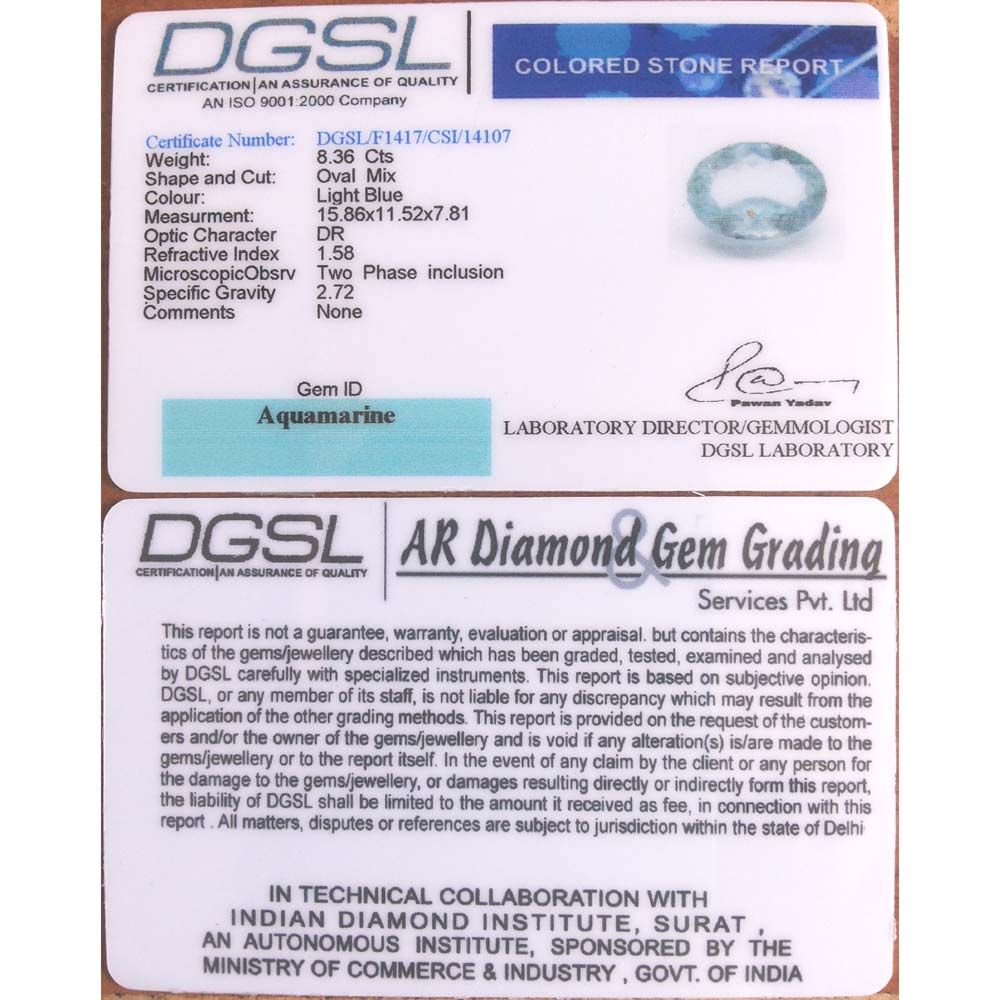
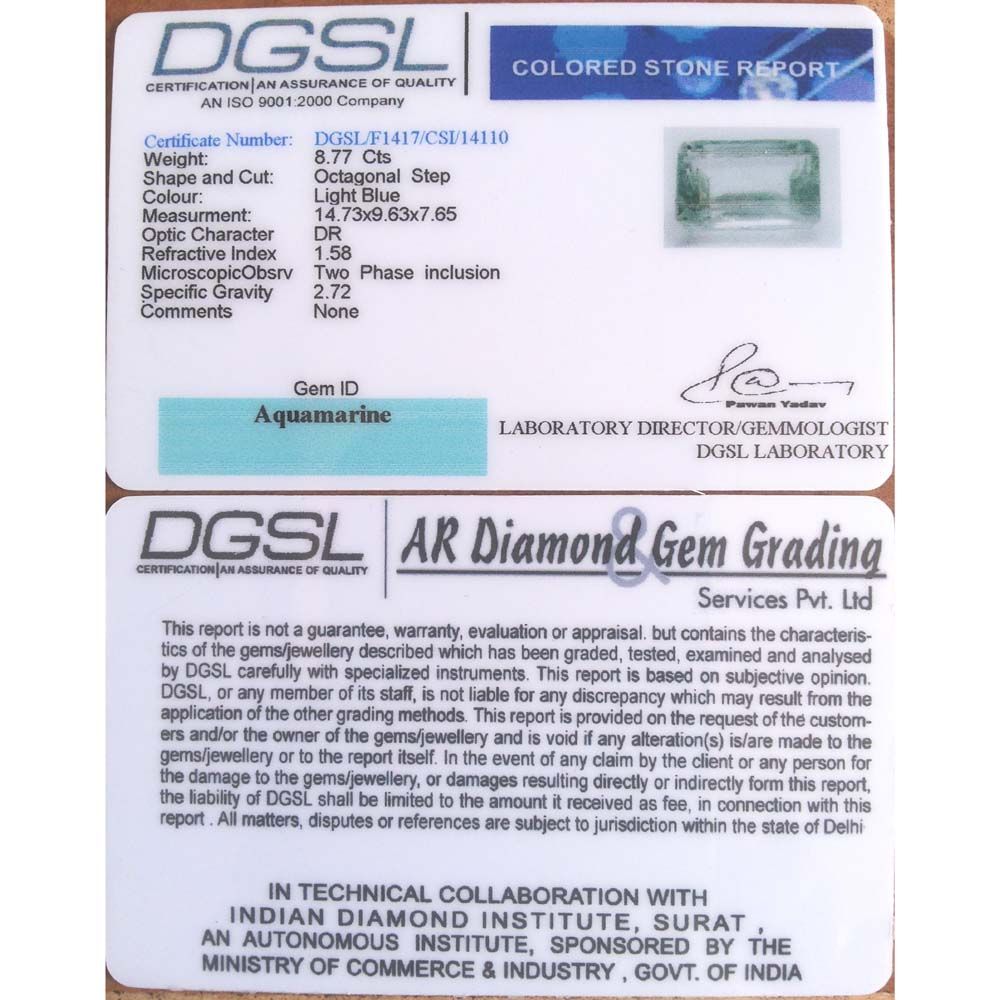
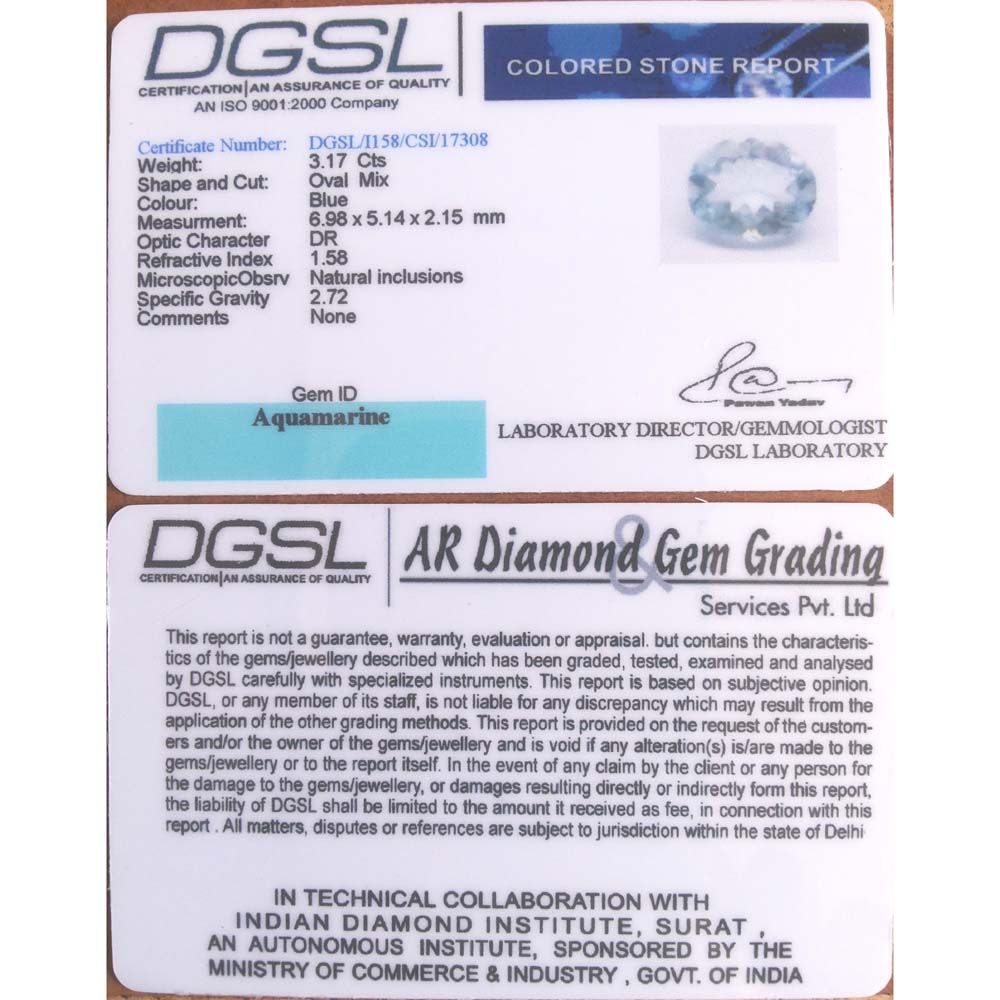
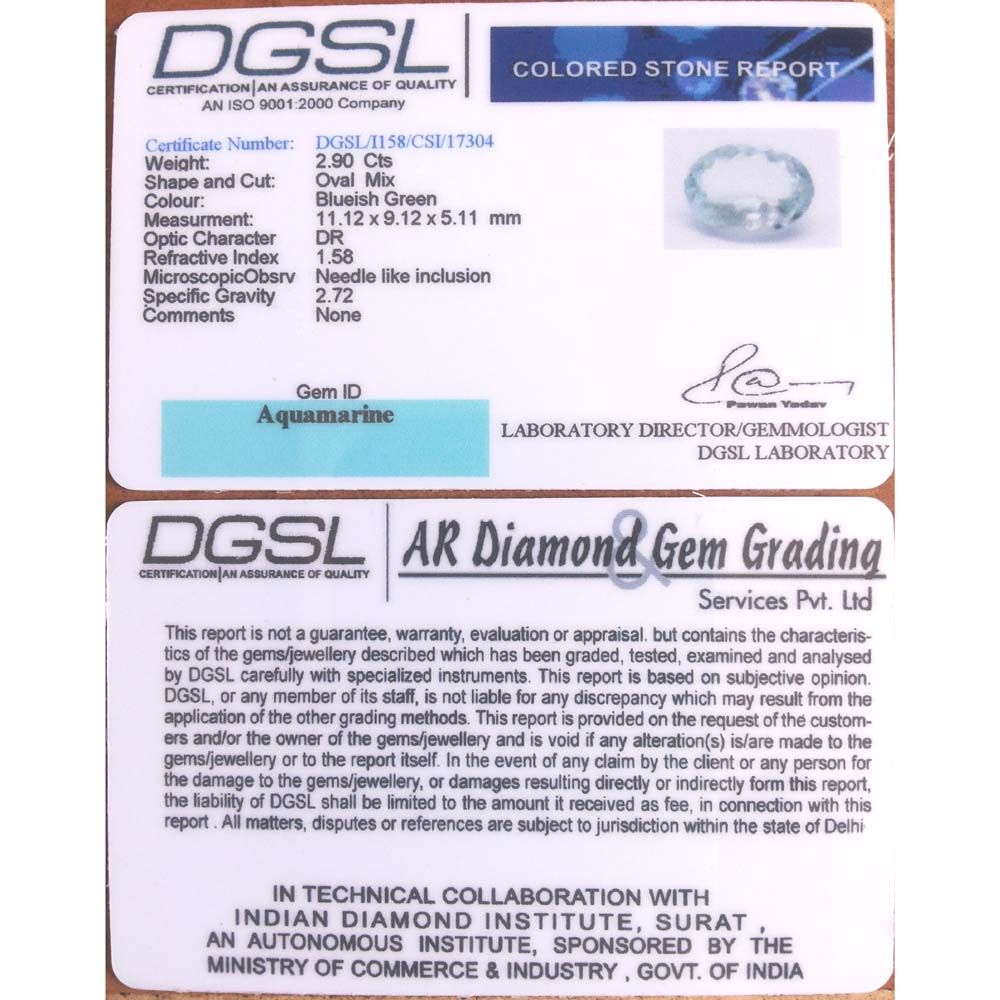
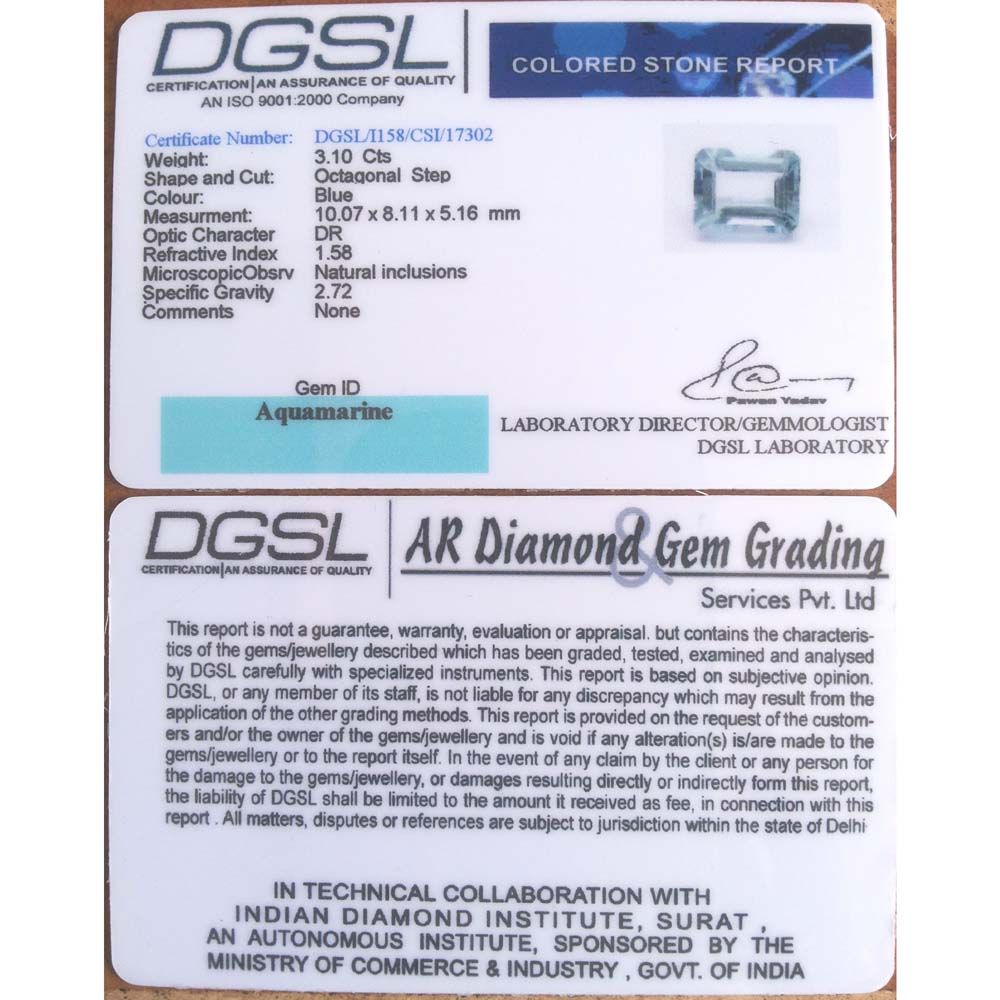
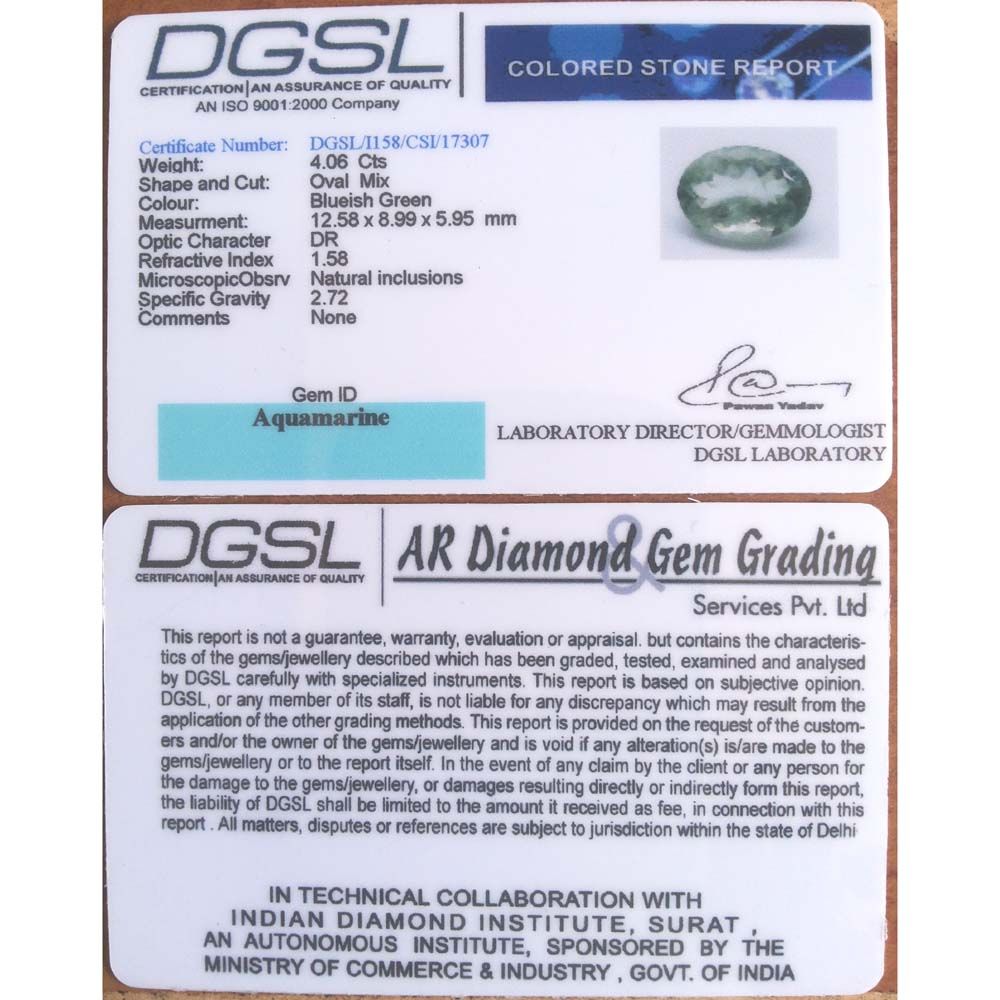
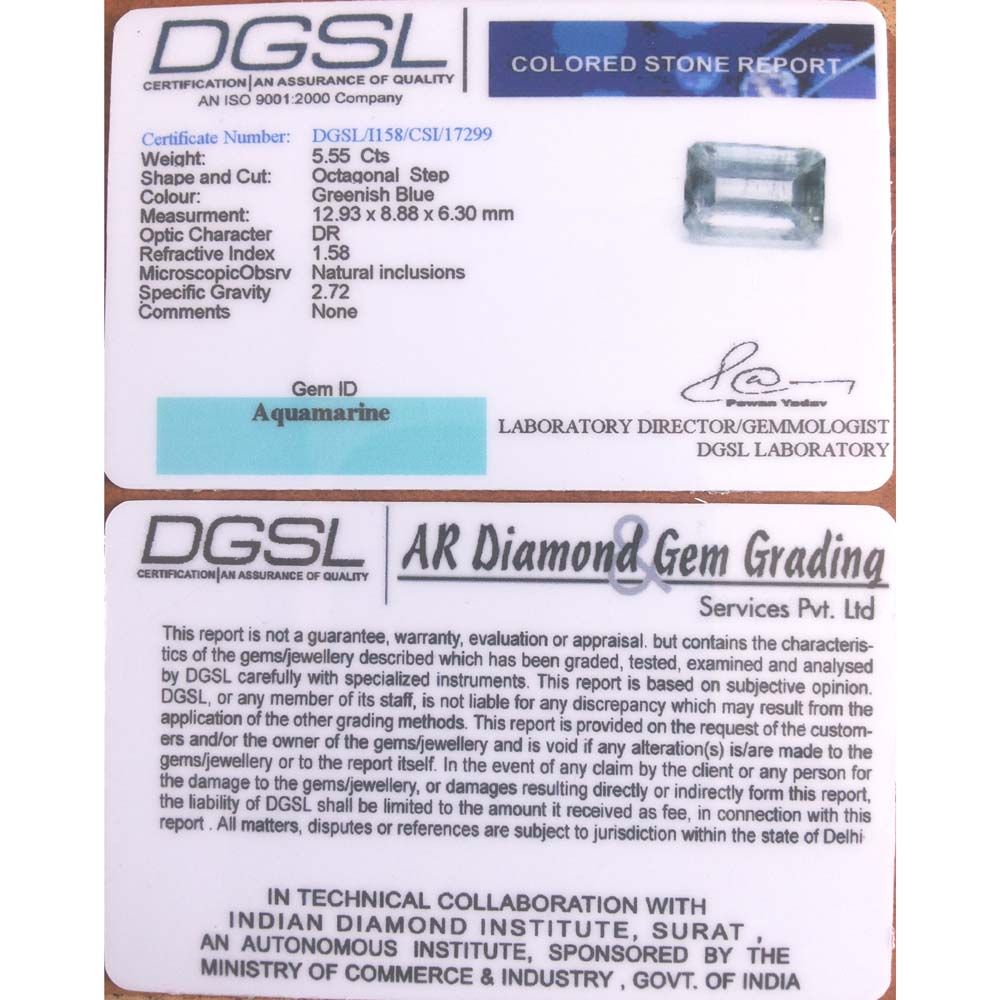
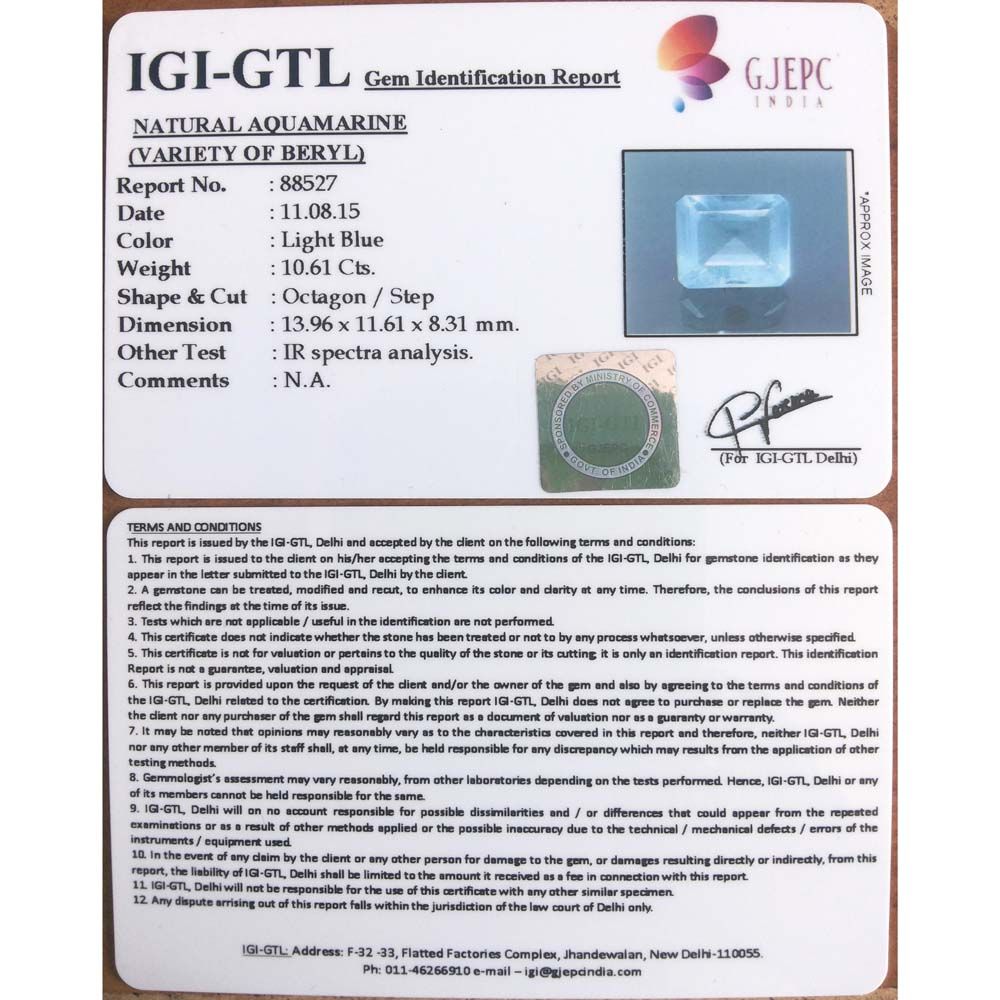
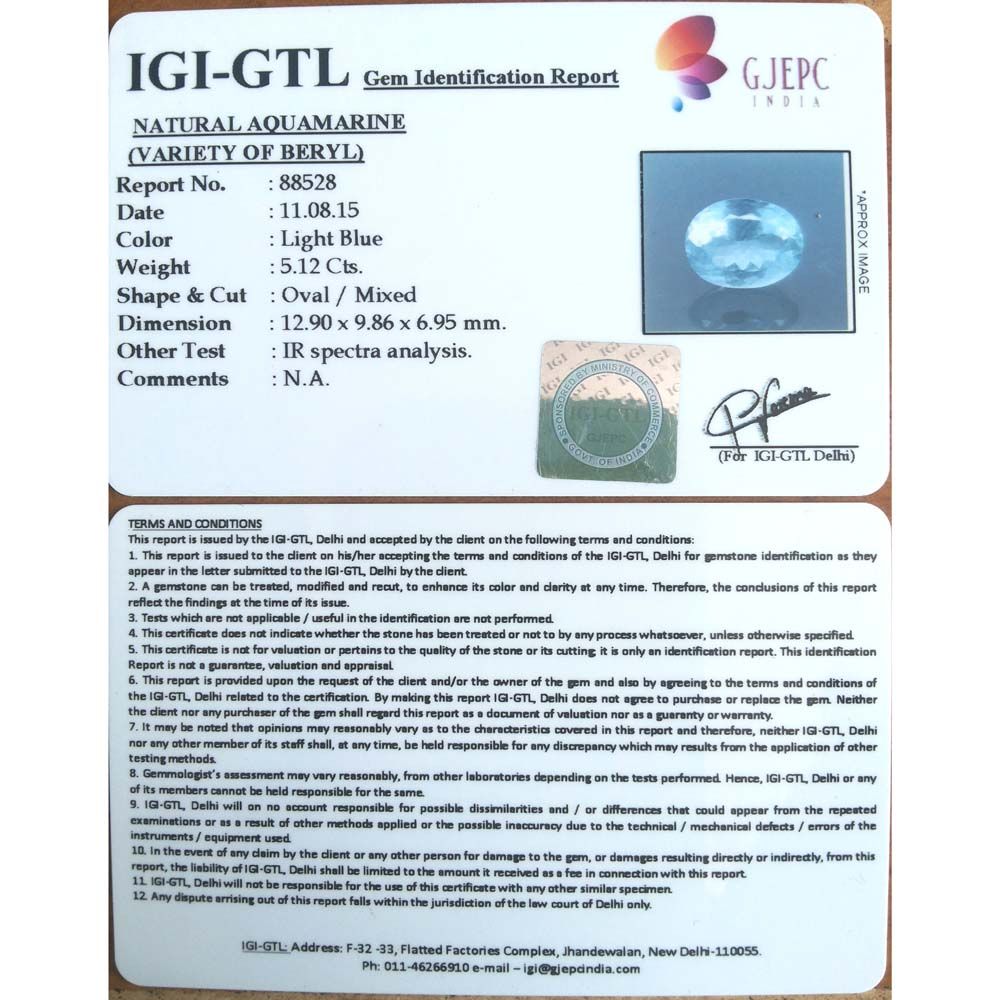
A certificate issued by an accredited government gemological laboratory confirming the stone’s natural origin.
-
Verified details about colour, weight, cut, clarity, and other gemological attributes.
-
Assurance of authenticity that supports resale value and trust in your purchase.
This certification is especially important if you are investing in fine aquamarine gemstones that may be used in bespoke jewellery designs or kept as part of a gemstone collection.
Colours and Grading Explained
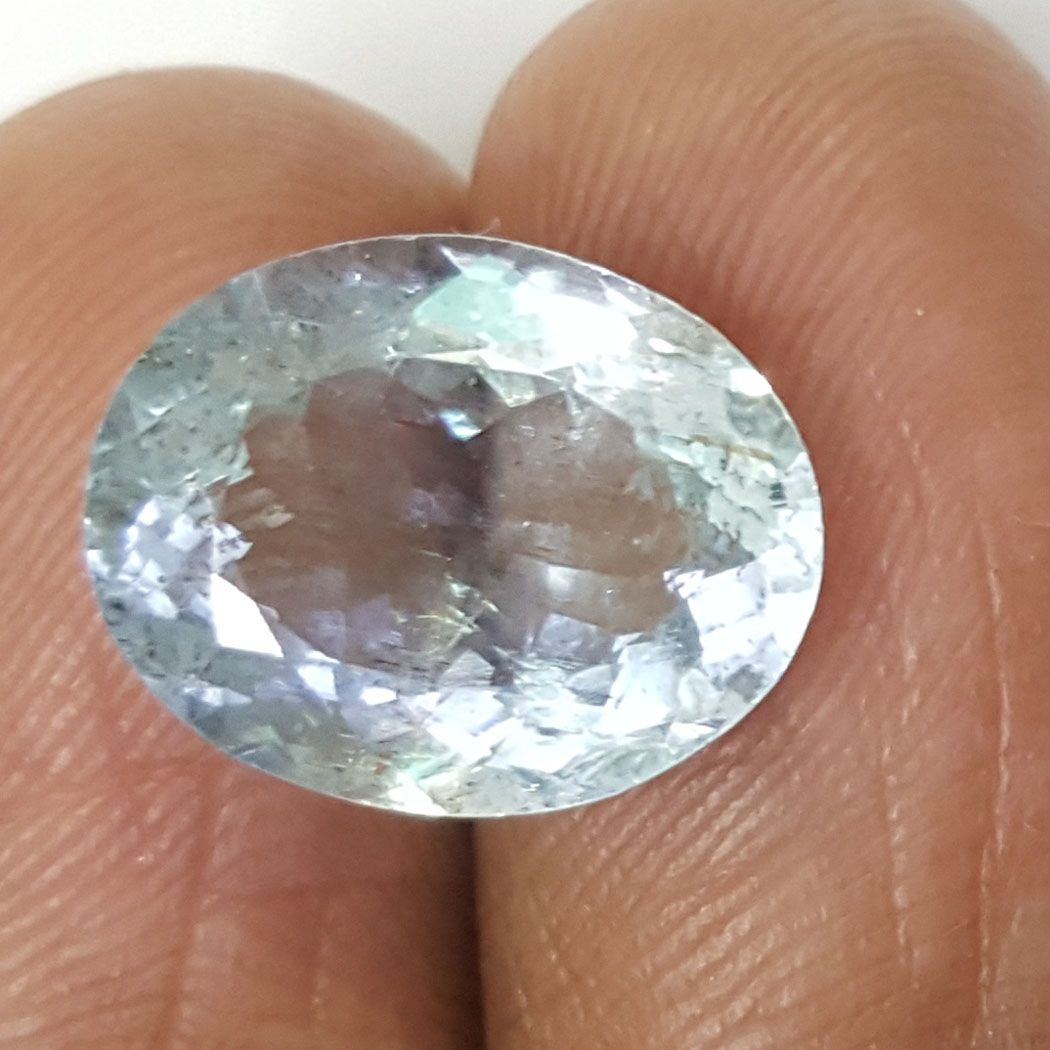
Aquamarine’s colour varies based on the iron content and environmental conditions during stone formation. Stones with a richer and more saturated blue shade are generally more valued, while lighter tones still offer natural appeal and excellent versatility. Many aquamarines are also heat-treated to enhance their blue tones—a widely accepted practice when disclosed to the buyer.
The typical colour spectrum includes:
-
Very pale blue or aqua
-
Sky blue
-
Blue-green with gentle highlights
-
Medium deep ocean blue
Clarity in aquamarine is usually high, often with fewer inclusions than many other gemstones. The clearer the gemstone, the more pronounced its brilliance and play of light.
Key Uses of Aquamarine Stone
Jewellery: Aquamarine is commonly used in fine jewellery pieces — rings, earrings, pendants, bracelets, and more. Its calm hues pair beautifully with metals like white gold, yellow gold, and platinum.
Birthstone: Aquamarine is one of the official birthstones for March, making it a meaningful gift choice for those born in that month.
Gifts & Anniversaries: Aquamarine is often given on the 19th wedding anniversary and other special occasions, representing respect and affectionate admiration.
Collections & Investment: Because of its combination of look, durability, and certification backing, certified natural aquamarine is also attractive to gemstone enthusiasts and investors.
Care and Handling
Aquamarine is generally easy to maintain but benefits from mindful care to preserve its natural beauty. Some practical steps include:
-
Clean with warm, soapy water and a gentle brush.
-
Avoid sudden temperature changes to prevent micro-fractures.
-
Store separately to prevent scratches from harder gemstones or metals.
Proper handling helps maintain the gem’s polish and colour clarity for many years.
Origins and World Sources
Natural aquamarine is mined in several parts of the world known for producing quality gemstones, such as:
-
Brazil — historically the most significant source.
-
Madagascar — known for deep blue hues.
-
Pakistan and Russia — offering notable colour and clarity.
Each region can yield aquamarine with subtle variations in colour and internal characteristics.
What to Look for When Choosing Aquamarine
When selecting a certified natural aquamarine stone:
-
Check the Govt Lab Certificate for unbiased verification of natural origin and attributes.
-
Observe the colour saturation—a consistent blue without brownish tones is often more sought after.
-
Consider cut and shape that best shows off the gem’s brilliance.
-
Verify the carat weight and clarity rating to suit your personal preference and jewellery design.
Khanna Gems offers a curated selection of aquamarines across different specifications so you can find the one that fits your style and purpose.
Frequently Asked Questions (FAQ)
Below are structured FAQs following current SEO schema guidelines for gemstone categories:
Q1. What is an Aquamarine Stone?
Aquamarine Stone is a blue to blue-green variety of the beryl mineral family valued for its colour, clarity, and durability.
Q2. How does a Govt Lab Certificate help with Aquamarine?
A Govt Lab Certificate confirms that the aquamarine is natural, lists its characteristics, and adds credibility to authenticity and value.
Q3. Is aquamarine good for daily wear jewellery?
Yes. With a hardness of 7.5–8, aquamarine is sturdy enough for rings and daily wear jewellery while maintaining its polish.
Q4. Does aquamarine come in different colours?
Yes. Aquamarine ranges from pale sea blue to deeper blue-green shades depending on trace elements and formation conditions.
Q5. How do I care for my aquamarine gemstone?
Clean with mild soapy water, avoid harsh chemicals, and store separately to protect it from scratches.
Q6. Where is natural aquamarine mined?
Aquamarine is mined in Brazil, Madagascar, Pakistan, and other regions, each offering unique colour variations.
Q7. Is aquamarine a birthstone?
Yes. Aquamarine is an official birthstone for March and often chosen as a meaningful personalised gift.
